Things I designed and builtThingsIdesigned andbuilt
Most of this I built through my own company, Alexandrou Intelligence, alongside the day job. The AML/KYC platform is the one I run at work, so it is described by its architecture only.
Selected work
Live
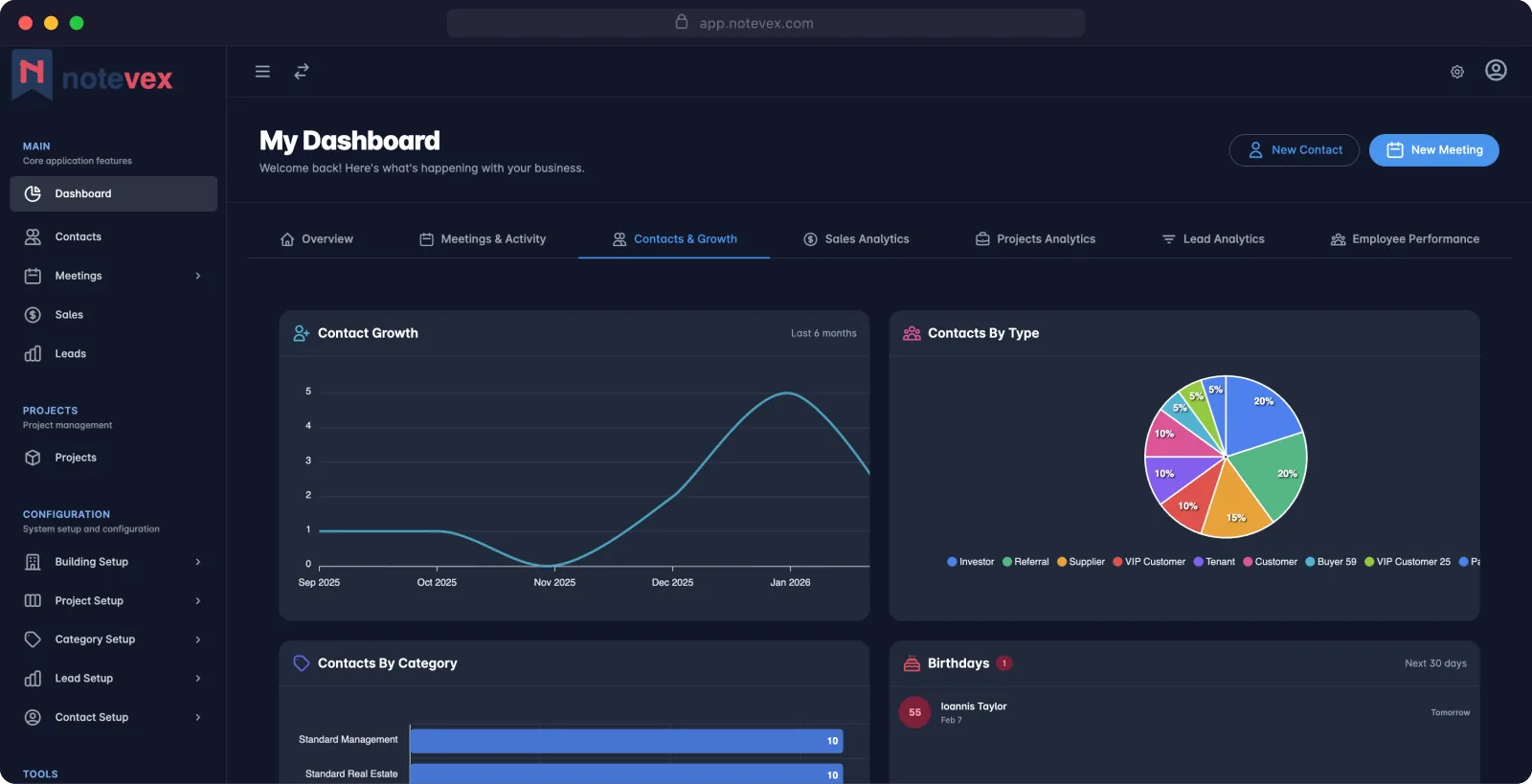
Notevex
Business platform · multi-tenant SaaS
Clients, projects, people and reporting in one system.
A multi-tenant SaaS that brings CRM and sales, operations, a developer API and a client portal together, on the web and on native mobile.
Paying customers run their daily operations on it. Every one of them came by word of mouth; there has been no marketing spend.
Security built for business use: JWT with certificate validation, 2FA, full tenant isolation, per-user CRUD permissions and a complete audit trail.
Live updates through SignalR, and a REST API with webhooks signed using HMAC-SHA256.
.NET 10
MassTransit/RabbitMQ
Redis
PostgreSQL
Angular
React
Flutter
Firebase
about 10 services on Kubernetes with auto-scaling and full observability
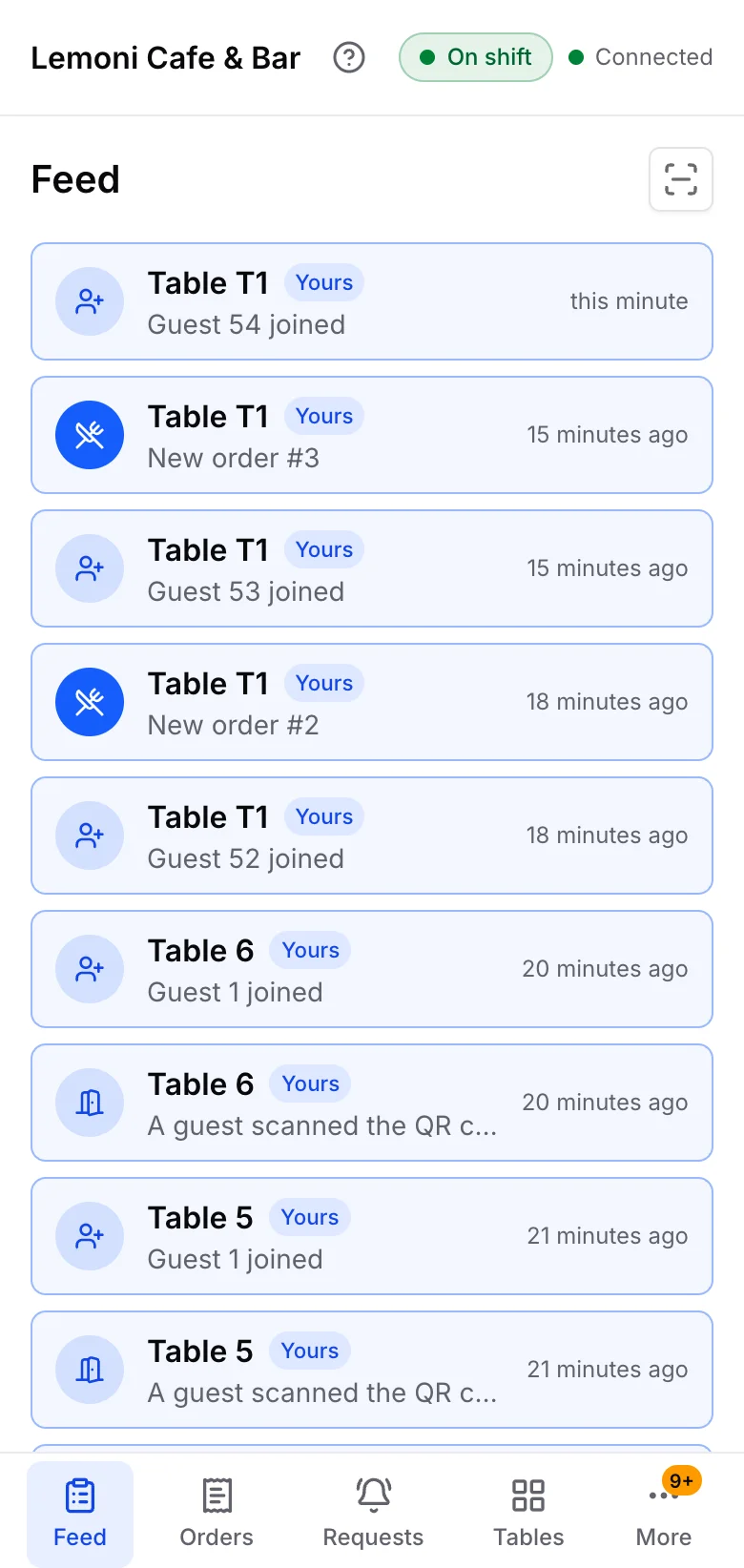
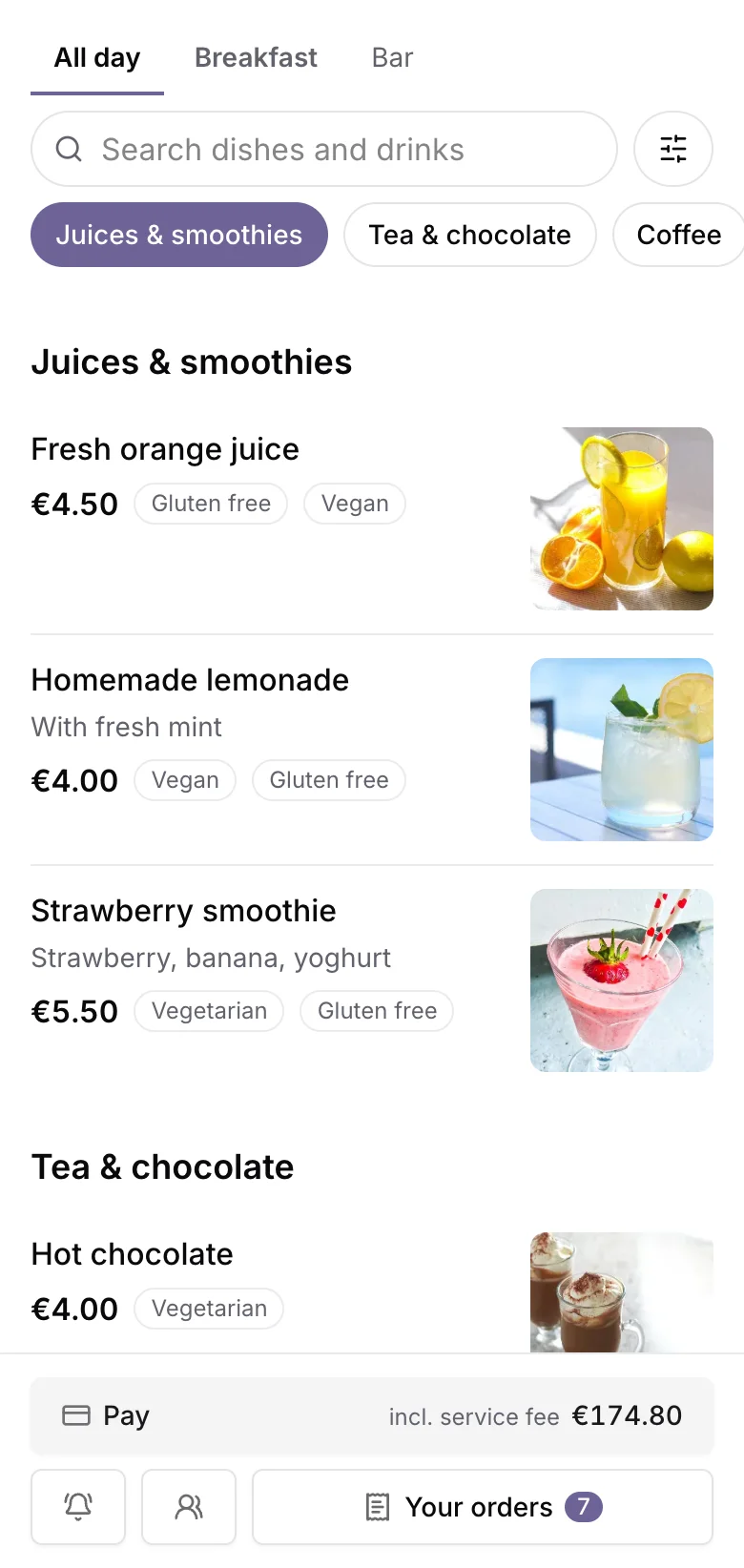
Ordering, payments, loyalty and reservations for restaurants, cafés and bars. Guests scan the code on the table, read the menu in their own language, order, pay and split the bill, and every order reaches the staff on their phones.
Live in production. It runs next to the venue's existing till instead of replacing it, so if TableButler ever goes down the venue keeps serving.
Five apps for the people who use it: the guest web app, a staff app, a backoffice for owners and managers, kitchen and bar screens, and a console for running the platform.
Each venue's data sits in its own database. Orders, waiter calls and payments reach the right phone in real time, with bill splitting, tips and refunds built in.
My largest project so far: sales, projects, invoicing, accounting, payroll and compliance in one platform, all working from the same records, with the rules of Cyprus and Greece built in, from VAT to payroll to myDATA.
It brings together what Notevex and TableButler taught me, plus the accounting, payroll and compliance products I built separately (Accountvex, Payrovex and Complyvex).
Every module comes with a setup checklist, guided tours and in-app help, so a team learns it by using it.
One database per customer, and each business domain kept strictly apart so it can grow without touching the others. Greek, English and Russian from day one.
.NET 10
MassTransit/RabbitMQ
Valkey
PostgreSQL
SignalR
OpenIddict
YARP
.NET Aspire
CRM
Projects
Invoicing
Payroll
Compliance
Calendar
Catalogue
AI assistant
Synolon
One platform. One record of everything.
In development
Alterwise
Planning personas for operations teams
Your best people, multiplied.
In every company someone just knows which order goes first and what will go wrong next. Alterwise connects to the data a company already has and builds personas that plan the way its most experienced people do.
A persona proposes the plan, explains why, and learns from every change the team makes to it.
Optimisation solvers work out the plan. The language model sets things up, translates and explains, and a person confirms anything that changes how a persona behaves.
Reads ERP data, APIs, spreadsheets and GPS feeds read-only, and works in its own web app and inside Claude and ChatGPT over MCP.
.NET 10
OR-Tools
PostgreSQL with PostGIS and pgvector
MassTransit/RabbitMQ
Valkey
MCP
Proposed plan
1Urgent orders go first
2Spread the load across the team
3Keep room for the afternoon rush
Why: this is how your most experienced planner handles a busy Monday.
AcceptChange
app.notevex.com
CRM
Projects
Invoicing
Payroll
Compliance
Calendar
Catalogue
AI assistant
Synolon
One platform. One record of everything.
Proposed plan
1Urgent orders go first
2Spread the load across the team
3Keep room for the afternoon rush
Why: this is how your most experienced planner handles a busy Monday.
AcceptChange
Also running, and earlier work
At work
AML/KYC platform
Architecture highlights
The regulated-fintech platform I run at work, described by its architecture: transaction and profile monitoring, client onboarding, risk assessment and sanctions/PEP screening.
Transaction and profile monitoring: about 30 microservices I designed and delivered, including the gateway APIs, MCP servers and the consumers and processors behind them.
Client onboarding: about 28 microservices, a gateway layer (REST/gRPC and reporting APIs) with single-purpose processors coordinated by SAGA orchestration. Putting a message broker in front stopped the dropped requests from partners who did not rate-limit their calls.
In progress: risk assessment is moving out of the monolith onto the same architecture, and sanctions and PEP transaction screening is fully designed and next in line.
Live
Operavex
Operations, analytics and invoicing
A custom platform that runs one business's daily operations, reporting and invoicing.
Live dashboards built from operational data, and invoices generated straight from the same data.
Built on the same event-driven architecture as Notevex, so it can become a multi-tenant product later.
.NET 10
MassTransit/RabbitMQ
Redis
PostgreSQL
Vue.js
about 10 services on Kubernetes with auto-scaling and monitoring
Portfolio
Other products
Earlier and smaller work
Products built on the same event-driven platform, some of them now folded into Synolon.
Accountvex (accounting) and Payrovex (payroll), whose work now lives on in Synolon, plus Hotelvex (hotel management) and Eventvex (events and booking).
KinTrack, a household-chores app for iPhone and Android, close to launch.
More than ten products in all across web and mobile, plus automation bots and MCP servers.
How I build
The same five choices show up in almost everything on this page.
Event-driven, broker-first messaging
Single-purpose services
SAGA orchestration for distributed consistency
Containerised and autoscaled by default
Observability from day one
Let's build something.
I am happy to walk you through any system on this page, or go through its architecture in depth. Email or LinkedIn is quickest.